
Stout: Hype or Structural Trend?
How Guinness is bringing a traditional beer style back into the spotlight
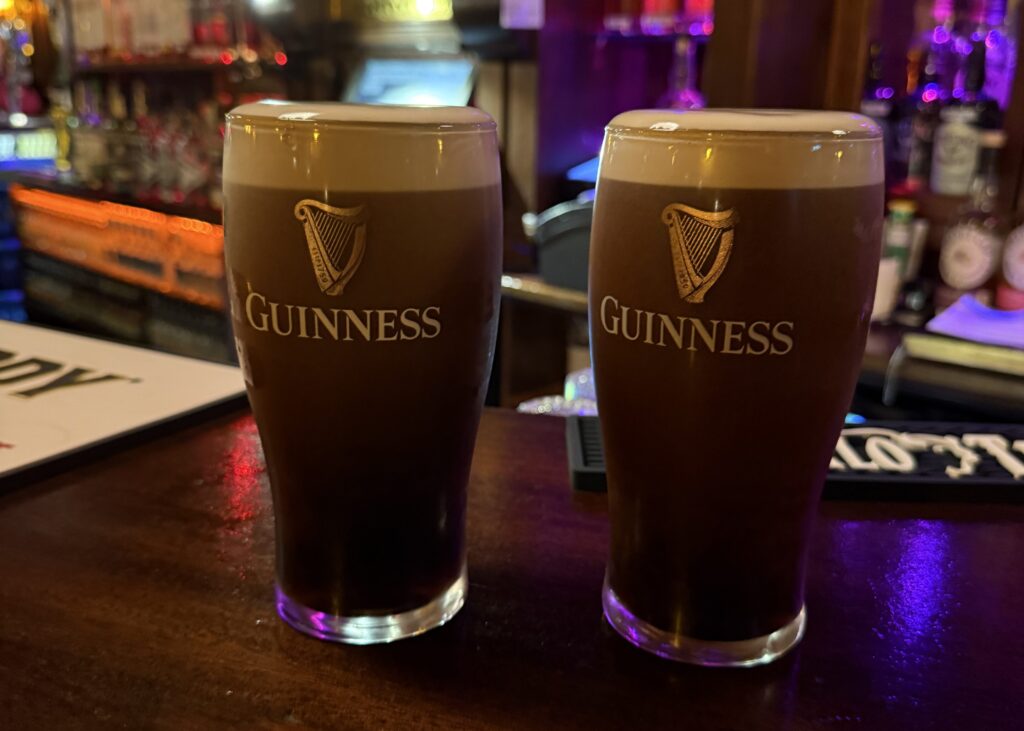
The black pint is back. Younger consumers are discovering stout, social media has turned Guinness into a lifestyle product, and other brewers are trying to benefit. But does this mark a lasting change in the beer market, or are we witnessing a successful marketing wave?
From traditional beer style to a new cultural phenomenon
Stout has undergone a remarkable change in image. The dark beer style was long associated mainly with traditional pubs and a beer culture not always known for embracing change. Now the black pint is increasingly seen in the hands of younger consumers. On social media, Guinness has become a recognisable part of going out. The creamy head, dark beer and distinctive glass have become almost as important as what is inside them.
The development is striking because stout is hardly a new invention. The style has a long history and characteristics that have changed little. What is changing is the way consumers see it.
In Britain, there are signs that the renewed interest goes beyond a handful of viral videos. According to CGA by NIQ data published by The Morning Advertiser in November 2025, stout volume in the British market grew by 10.6% year on year in 2025. Stout then accounted for 9.5% of total beer volume, up 0.6 percentage points from a year earlier. The age profile also shifted: 32% of stout drinkers were aged 34 or under.[1]
These are meaningful figures. They suggest that stout is not merely attracting more attention but gaining ground in the British beer market. Still, growth in one market over a limited period does not prove that the style is entering a lasting global upswing.
The question, therefore, is not only why stout has become more popular. We also need to establish whether the development is broad enough to qualify as a structural trend.
Split the G: when drinking beer becomes a social challenge
Part of the renewed interest is closely linked to Guinness. The world’s best-known stout has a level of recognition few beers can match. The dark liquid, white head and familiar glass make it a highly visual product suited to social media.
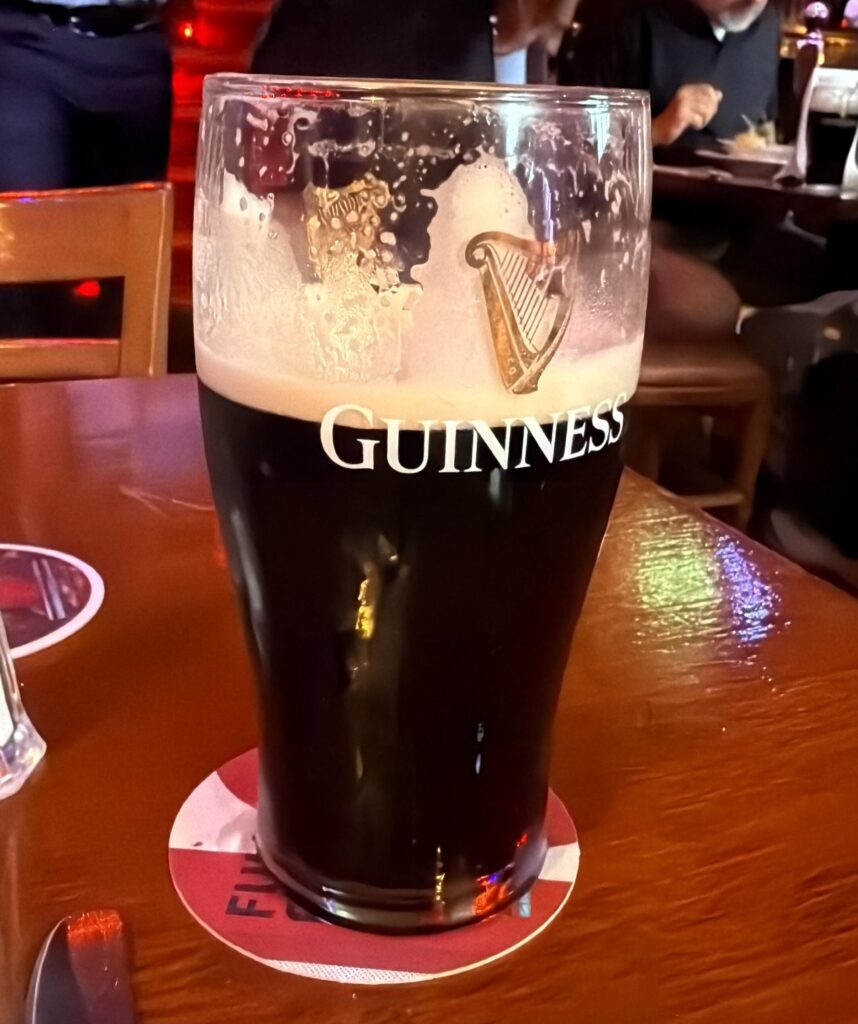
A striking example is Split the G. The challenge involves taking a large sip of Guinness and seeing whether the remaining beer reaches the level of the letter G on the glass. It is simple, recognisable and easy to imitate. Participants can film, compare and share their results.
A drinking occasion becomes a social activity. Beer is no longer just something to order and drink; it is also a reason to take part, show off a result or start a conversation.
In January 2025, The Guardian described how social media, the Split the G challenge and celebrity visibility helped fuel Guinness’s growing popularity among younger consumers and women.[2]
The interesting point is that such a trend does not have to originate entirely in a marketing department. Consumers can start spreading it themselves. The brand then benefits from the recognition and attention that follow.
That does not make marketing obsolete. Strong brands still depend on distribution, availability, advertising and consistent presentation. But social media can change the consumer’s role: from recipient of a message to someone who spreads it.
The question is how durable that effect will be. A challenge can remain popular for months and then disappear when a new trend captures attention. The number of social-media videos also says little about how much additional beer is actually sold. Split the G helps explain stout’s visibility, but is not in itself proof of structural growth in the style.
Guinness is the catalyst, but not the whole category
Guinness’s growth has drawn more attention to stout. That matters commercially for other brewers, because renewed consumer interest in a category creates room for alternatives.
The British market shows signs of wider movement. In November 2025, The Morning Advertiser reported that several pub groups were seeing more interest in stouts other than Guinness. Greene King, for example, reported a 14% increase in stout sales across its pubs over the previous year. It also saw growing interest in alternatives such as Belhaven Black.[1]
Brewers have also introduced new or refreshed stouts. BrewDog launched Black Heart, while Shepherd Neame added Iron Wharf to its range. Murphy’s, a traditional Irish brand owned by Heineken, has also gained a more prominent place in British pubs.
Figures for individual brands need to be interpreted carefully. A large percentage increase can start from a small base. Sales may also rise because a pub adds a new brand, Guinness is temporarily unavailable or existing stout drinkers switch brands.
The latter played a role in late 2024. A combination of strong demand and supply problems meant some British pubs temporarily struggled to obtain enough Guinness. That created an opportunity for rival stouts. The Guardian reported in January 2025 that stout sales in British supermarkets had risen by 13%; Murphy’s also reported an exceptional sales increase in December 2024.[2]
A temporary shortage can encourage consumers to try an alternative. The crucial question is whether they continue buying it afterwards.
For the stout category, the distinction matters. If consumers replace Guinness with Murphy’s or a craft stout, market shares between brands change. If consumers also choose stout more often instead of lager or another beer style, the category itself grows.
For a structural trend, we particularly need evidence of that second development. The available British figures point in that direction, but do not yet provide a complete picture of other countries.
Why stout feels different
Stout has characteristics that set it apart from many other beers. Its dark appearance, roasted malt flavours and often creamy texture create a distinctive drinking experience. Nitrogen plays an important role in some stouts.
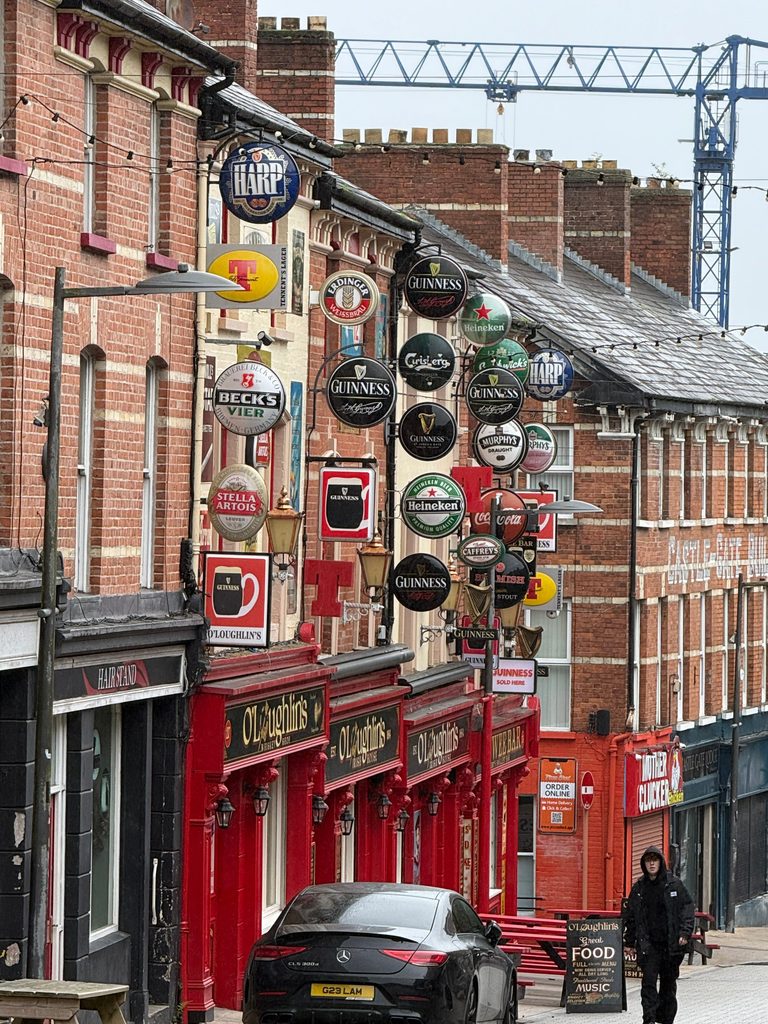
Guinness Draught is the best-known example of a stout served using a nitrogen system. Nitrogen is much less soluble in beer than carbon dioxide. Combined with the right pressure, dispensing equipment and gas blend, it can create very fine bubbles, a compact head and the characteristic creamy mouthfeel.
In Guinness Draught cans, a small nitrogen-filled widget helps reproduce the familiar surge and head when the can is opened and the beer is poured. The producer describes the widget as a way to recreate part of the draught experience at home.[3]
The experience is not just about taste. The pour and the wait while the head settles are part of the presentation too. The consumer sees something happen before taking the first sip.
This technology helps give stout a distinctive identity. But nitrogen is not a general explanation for the popularity of the entire style. Not every stout is nitrogen-served, and not all stouts share the same flavour profile. Styles include dry Irish stouts, sweeter milk stouts, imperial stouts and a wide range of craft variations.
The appeal of Guinness Draught should therefore not automatically be equated with the appeal of all stouts.
From keg to can: taking the experience elsewhere
Packaging helps determine where and how stout is consumed.
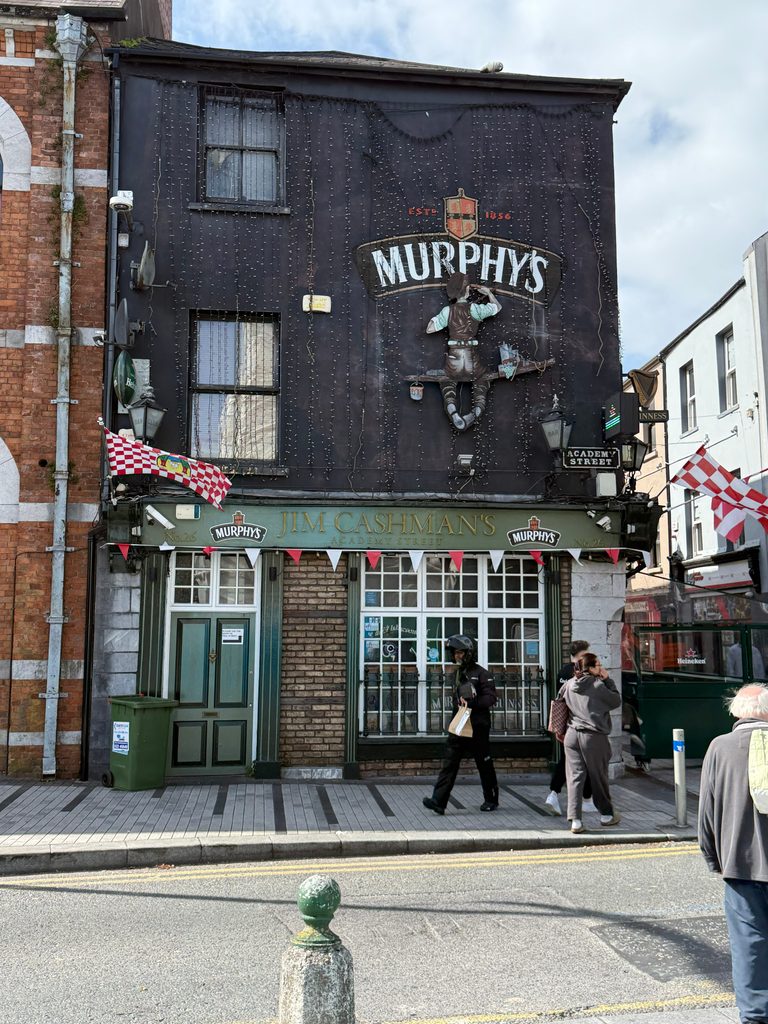
Keg beer plays an important role in the traditional stout experience. In pubs, the dispensing system and gases used can help achieve the desired head and texture. The beer is also served by a member of staff, in a glass and in a social setting. Presentation becomes part of the occasion.
Cans serve a different purpose. They make stout available for home consumption and other occasions outside the pub. In Guinness Draught, the widget releases nitrogen when the can is opened, recreating the familiar head. Consumers can thus approximate part of the draught experience at home.[3]
That may matter for stout’s growth. A style consumed beyond the tap is available on more occasions and in more places. But comparable sales data are needed to determine the scale of the effect.
A reliable public breakdown of stout sales by keg, can and bottle, both for Guinness and for the category as a whole, is not readily available. We therefore cannot responsibly claim that cans are driving most of the growth or assign a specific market share to keg sales.
Packaging is a plausible factor in the development, but its contribution still needs to be supported by data.
Not every stout is Guinness
Guinness’s dominant position has a double effect. It makes stout recognisable to a broad audience, but it can also lead consumers to associate the entire style almost exclusively with one product.
[IMAGE 5 — BEYOND ONE STOUT (OPTIONAL): Place an image showing several stout styles or brands side by side. Use only if the brands are correctly represented and image rights are cleared. Caption: ‘Behind the best-known stout lies a much broader beer style.’]
That creates an opportunity for other brewers. Consumers who discover stout through Guinness may become curious about other versions. This could create space for brands with different flavour profiles, local histories or a distinctive craft identity.
The British market shows signs of such a broadening. Alongside Murphy’s and Belhaven Black, independent brewers are putting stout back on the map. BrewDog positions Black Heart as a mainstream alternative, while smaller brewers offer their own stouts to pubs looking to widen their choice.[1]
But interest must be distinguished from lasting consumption. A new stout on tap can attract curiosity without achieving substantial long-term sales.
Independent brewers also need more than a dark beer that looks appealing. They must deliver consistent quality, organise distribution and persuade consumers to order the product again. The attention generated by Guinness may open the door, but it does not guarantee lasting commercial success.
The real test is not how many new stouts appear, but how many retain a place in pub ranges and consumer buying habits after the initial interest fades.
Hype or trend?
The available evidence gives reason to take stout’s renewed popularity seriously. In Britain, stout volume grew by 10.6% in 2025 according to CGA by NIQ. Stout’s share of total beer volume increased, and the age profile of consumers changed.[1]
There is movement beyond the figures too. Guinness has reached a wider audience, social media has increased the brand’s visibility and other brewers are trying to benefit. The growth is not limited to one new product: established brands are being repositioned and new stouts are appearing in pubs and retail.
There are, however, reasons for caution. Guinness is more visible than most other stouts. Part of what is seen as a stout comeback may therefore be the resurgence of one dominant brand.
Social-media trends can also change quickly. A challenge such as Split the G may stimulate sales, but tells us little about consumer behaviour five or ten years from now.
Category growth and brand growth can have different causes. Temporary shortages, price changes, wider distribution and new outlets can affect sales figures. Revenue growth is not automatically equivalent to the same rate of volume growth.
Finally, a complete international picture is missing. The British market offers useful clues, but it is not the global stout market. Without comparable data from other countries, it remains difficult to establish how widespread the recovery is.
The real test is still to come
Stout’s renewed popularity appears to be more than a passing internet joke. British sales figures point to growth, interest among younger consumers is increasing and other brewers see opportunities to expand their ranges.
That does not yet prove that stout is entering a lasting global upswing.
To establish that, we need to keep tracking the total category. Will stout volume continue to grow after interest in Split the G fades? Will consumers choose stouts other than Guinness? Will growth persist in both pubs and retail? And will stout continue gaining share after the temporary effects of supply problems and high-profile campaigns have passed?
If the answers remain positive over several years, the case for a structural trend will become stronger.
For now, the most defensible conclusion is that stout is experiencing a clear revival, with Guinness as a major catalyst. Whether that revival becomes a lasting change in the beer market remains to be seen.
The black pint is back. The question is no longer just why people are drinking it again, but whether they will keep doing so.
Sources
[1] Phoebe Fraser, “The year of the black pint: Stout finds fresh energy and new fans”, The Morning Advertiser, 6 November 2025.
[2] “How gen Z helped drink Guinness dry – and its stout rivals cashed in”, The Guardian, 18 January 2025.
[3] Guinness, “Frequently Asked Questions” and “Innovation at Guinness”, official product information on the widget and nitrogen in Guinness Draught.